Compound Guide
Retatrutide: what it is, and what the research actually shows
A plain, cited explanation of retatrutide: its triple GIP, GLP-1, and glucagon receptor mechanism, what the Phase 2 NEJM trial studied, where it sits in the GLP-1 drug pipeline as of 2026, and its UK regulatory position. Research use only. Nothing here is instruction for human use.
Retatrutide sold here is a research reference compound for in vitro and laboratory research purposes only. It is not licensed for human administration, has no regulatory approval anywhere in the world as of 2026, and has not been approved by the MHRA for any clinical or therapeutic use. The trial data discussed on this page comes from published peer-reviewed research literature and is referenced for scientific context only. It is not an endorsement of human use of this compound. If you have questions about weight management or metabolic health, consult a registered healthcare professional.
What retatrutide is
Retatrutide (LY3437943) is a triple receptor agonist developed by Eli Lilly. Where semaglutide targets one receptor (GLP-1R) and tirzepatide targets two (GIP-R and GLP-1R), retatrutide adds a third: the glucagon receptor (GCGR). This triple mechanism is what makes it a distinct class of compound from the dual agonists, and it's the basis for the research interest in whether adding glucagon receptor activity produces further improvements in metabolic outcomes.
Glucagon is typically associated with raising blood glucose, which is the opposite of what you want in a diabetes or obesity treatment. That apparent paradox is resolved by the specific balance of agonism: glucagon receptor activation at the doses and formulations studied appears to increase energy expenditure and improve liver fat reduction in ways that complement GIP and GLP-1 signalling, without the hyperglycaemic effect you'd see with straight glucagon administration. The balance point matters, and getting it right at the molecular level is one of the technical challenges of triple agonist development.
Retatrutide is still investigational as of 2026. Phase 3 trials are ongoing. It has no regulatory approval anywhere in the world. The Phase 2 data is what's available in the public research literature.
What the Phase 2 trial found
The Phase 2 trial of retatrutide was published in the New England Journal of Medicine in June 2023 (Jastreboff et al., "Triple-Hormone-Receptor Agonist Retatrutide for Obesity"). It enrolled 338 participants with a BMI of 27 or above without type 2 diabetes, randomised to placebo or one of five retatrutide doses across 24 and 48 weeks.
At 48 weeks, the 12mg dose produced a mean weight reduction of 24.2% from baseline versus 2.1% for placebo. That figure was the largest mean reduction reported in any published weight management trial at the time of publication. The mechanism of body weight reduction included reductions in fat mass confirmed by DEXA scan, with preservation of lean mass at the doses studied.
The adverse event profile was similar to other GLP-1 class compounds: gastrointestinal effects (nausea, vomiting, diarrhoea) were the most common, with a dose-dependent pattern. These were generally described as mild to moderate in intensity and decreasing over time.
Phase 2 data has real limitations. A 338-person trial over 48 weeks is not the same as the thousands-of-participants, 72-week Phase 3 trials that established the tirzepatide and semaglutide evidence base. The Phase 2 results set the basis for Phase 3 investigation, not a conclusion. Phase 3 results are expected in 2025-2026, and those will determine whether the Phase 2 effect size is replicated at scale.
Why adding glucagon receptor activity matters
GLP-1 and GIP receptor agonism reduce caloric intake through appetite suppression and slowed gastric emptying. Adding glucagon receptor agonism appears to increase energy expenditure, which is a different lever. Glucagon receptor activation in the liver promotes fat oxidation and may reduce hepatic steatosis (liver fat). In the context of obesity research, which frequently involves fatty liver disease as a comorbidity, a compound that addresses both energy balance and liver fat has potential research interest beyond weight management alone.
The glucagon component also raises the risk profile question: prolonged glucagon receptor activation has theoretical effects on bone metabolism, cardiac function, and blood glucose regulation that researchers need to assess over longer trial periods. This is one reason Phase 3 trials are needed before the safety profile can be characterised as fully as it is for the approved dual and single agonists.
Development status as of 2026
Retatrutide Phase 3 trials are ongoing. The compound has no marketing authorisation from the FDA, EMA, or MHRA, and no approval timeline has been publicly confirmed for the UK. It's an investigational compound in the clinical development sense, not a compound that has passed the full regulatory review that semaglutide and tirzepatide have completed. The research compound sold here is supplied for laboratory research purposes only, not for clinical application.
Retatrutide in our catalogue
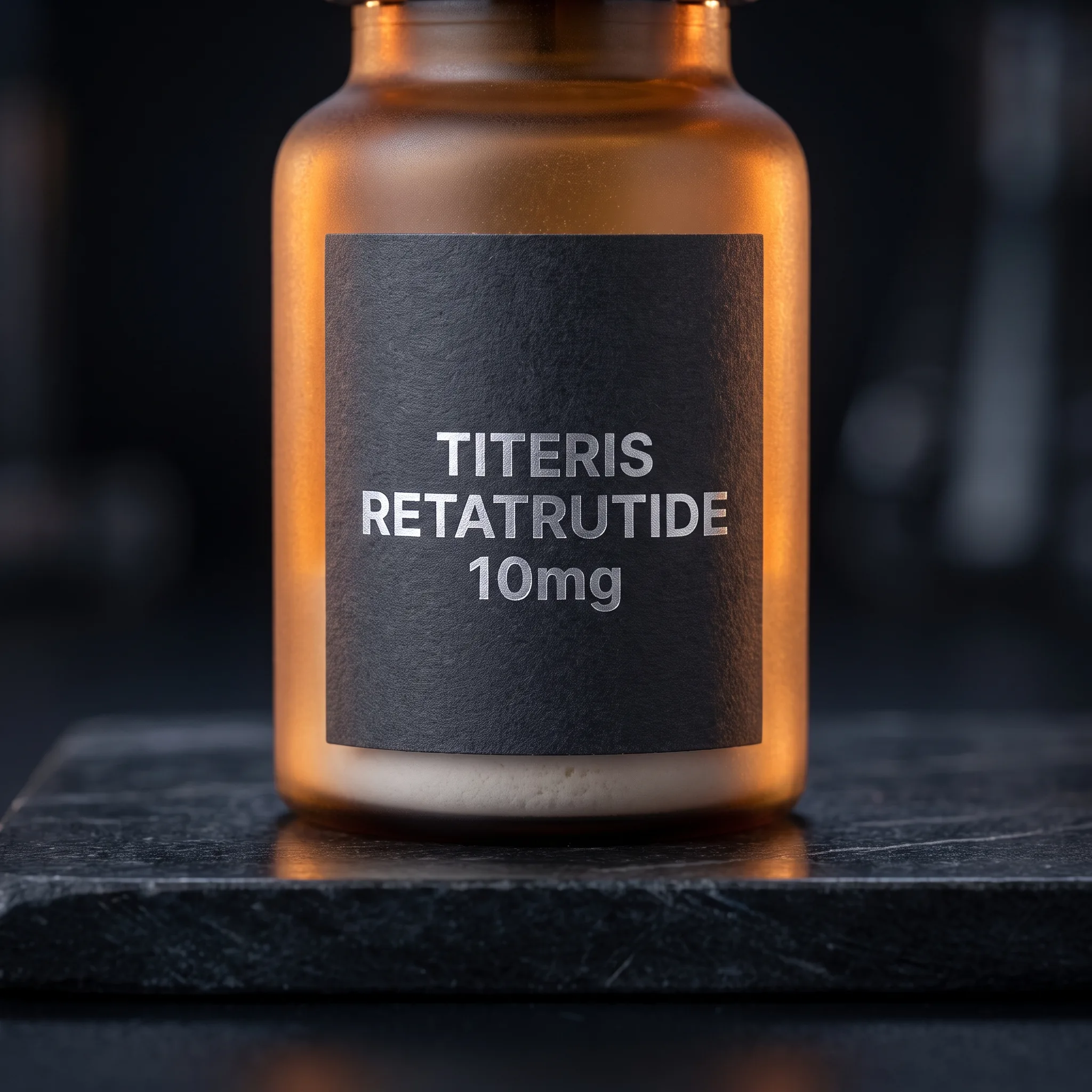 RT-5
RT-5Retatrutide, 5mg
Supplied as a lyophilised vial for laboratory research use.
£84.99 Contact us to orderRT-10Retatrutide, 10mg
Supplied as a lyophilised vial for laboratory research use.
£114.99 Contact us to orderRT-15Retatrutide, 15mg
Supplied as a lyophilised vial for laboratory research use.
£94.99 Contact us to orderRT-20Retatrutide, 20mg
Supplied as a lyophilised vial for laboratory research use.
£109.99 Contact us to orderRT-30Retatrutide, 30mg
Supplied as a lyophilised vial for laboratory research use.
£124.99 Contact us to orderRT-40Retatrutide, 40mg
Supplied as a lyophilised vial for laboratory research use.
£154.99 Contact us to orderRT-50Retatrutide, 50mg
Supplied as a lyophilised vial for laboratory research use.
£159.99 Contact us to orderRT-60Retatrutide, 60mg
Supplied as a lyophilised vial for laboratory research use.
£189.99 Contact us to orderSee our documentation policy for what supplier batch documentation covers, and our UK legal status page for the regulatory framing every listing follows.
Frequently asked
What makes retatrutide different from tirzepatide?
Tirzepatide is a dual GIP/GLP-1 receptor agonist. Retatrutide adds a third target: the glucagon receptor (GCGR). The additional mechanism appears to increase energy expenditure and improve liver fat reduction in the Phase 2 data. Whether this translates to meaningfully larger effects in Phase 3, at an acceptable safety profile, is what the ongoing trials are assessing.
What did the NEJM Phase 2 trial show?
338 participants with obesity, 48 weeks, published June 2023. The 12mg dose showed a mean weight reduction of 24.2% from baseline versus 2.1% for placebo. This was the largest mean weight reduction reported in any published weight management trial at the time of publication. Phase 2 data is preliminary relative to the Phase 3 scale needed for regulatory approval.
Is retatrutide approved anywhere?
No. As of 2026, retatrutide has no marketing authorisation from the FDA, EMA, or MHRA. It's an investigational compound in Phase 3 clinical trials. No approval timeline has been publicly confirmed.
How is it supplied?
As a lyophilised white powder in a sealed glass vial, available in 5mg, 10mg, 15mg, 20mg, 30mg, 40mg, 50mg, and 60mg sizes. Supplied without solvent for laboratory research use. Batch documentation status is stated directly on the listing page where available from our supplier.